



Lumenand Sigenergy

The whole home energy system, fitted properly.

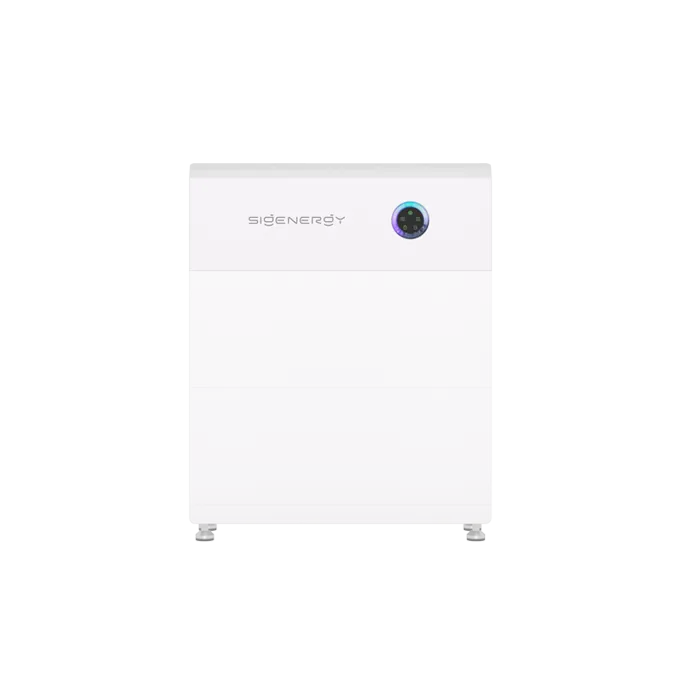
We design and install Sigenergy across Ireland: SigenStor batteries, hybrid inverters, SigenMicro microinverters and EV chargers, with the SigenStor Neo to follow in 2027. One manufacturer, one app, sized to your bills by our SEAI-registered engineering team based in Athlone.

  • €600 SEAI battery grant
  • 0% VAT on home installs
  • 10-year Sigenergy battery warranty

Accredited & registered Athlone · Installing solar since 2013 (13 years) · 1,000+ installations4.9 from 22 Google reviews

  • SEAI Registered
  • Safe Electric
  • Solar Ireland Member
  • Athlone Chamber

Why we fit Sigenergy

One system for your whole home

Most systems are a battery from one company, an inverter from another and a charger from a third, each with its own app and none of them talking to the others. Sigenergy builds every part to work together.

  • 01

    One stack, not five boxes

    Inverter, battery and energy management stack into one cabinet. Less on the wall, fewer joints to go wrong.

  • 02

    Grows with you

    Start with one battery module and add more, up to 6 per controller, when the car or the heat pump arrives.

  • 03

    Built for Irish weather

    The stacks are rated IP66, so they suit a garage, a shed wall or outside under cover.

  • 04

    An app that does the thinking

    Tell Sigen AI what you want, like the lowest bills, and it schedules the battery and car charging around your tariff.

New for 2027

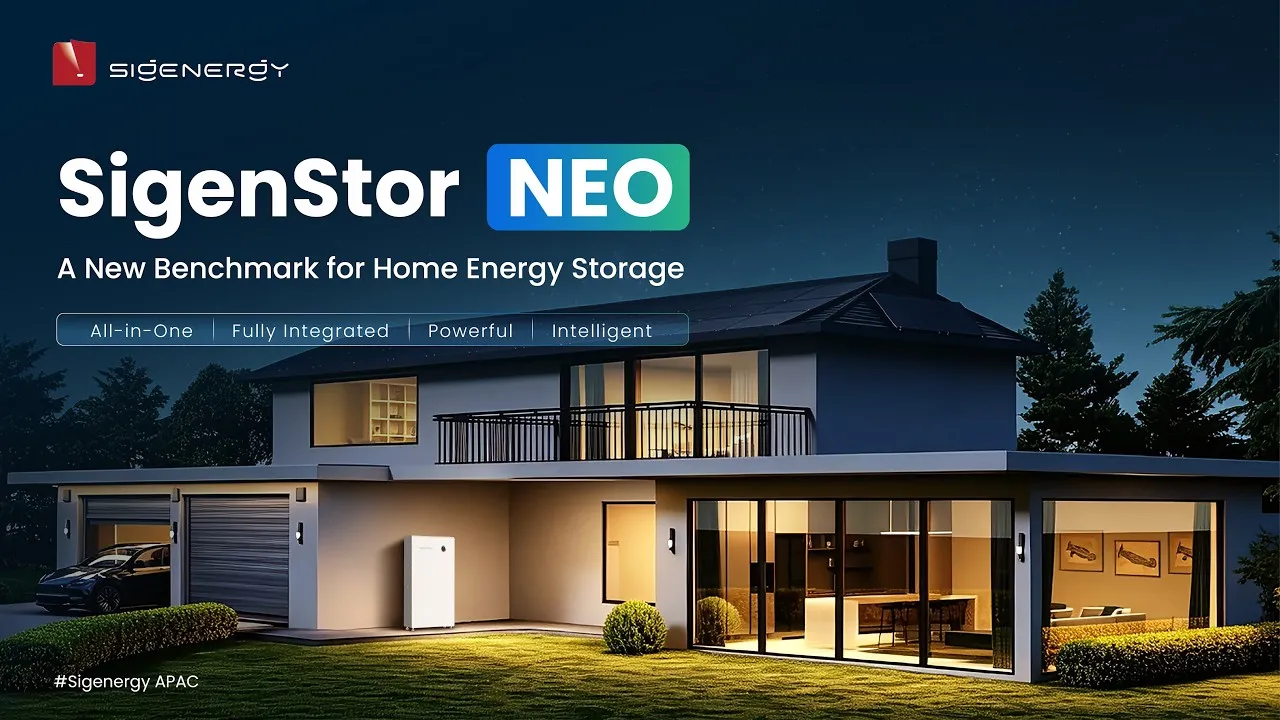
Meet the SigenStor Neo

Sigenergy’s newest all-in-one, shown at Intersolar Europe in June 2026 and expected in Ireland in 2027. Until then, SigenStor does the same job and is what we fit today.

SigenStor Neo: the next-generation all-in-oneSigenergy’s launch film for the Neo.Film: Sigenergy

New for 2027

Five jobs, one cabinet

Sigenergy describes the Neo as one unit doing the work of five: energy management, solar inverter, battery converter, battery pack and backup module.

  • Energy management decides, second by second, where the power goes.
  • Solar inverter turns your panels’ output into power the house can use.
  • Battery converter and pack store it in LiFePO4 cells for the evening.
  • Backup module, built in rather than a separate gateway on the wall.
  • Smart Port for a heat pump, EV charger, generator or the solar you already have.
Controller sizes
2.5 – 12 kW single phase, 3 – 15 kW three phase
Battery modules
6.02 or 7.52 kWh, 1 to 6 per controller
Footprint
800 mm wide, 235 mm deep
Mounting
Floor (up to 6 modules) or wall (up to 3)

Source: Sigenergy, SigenStor Neo and its datasheets, read 10 November 2026.

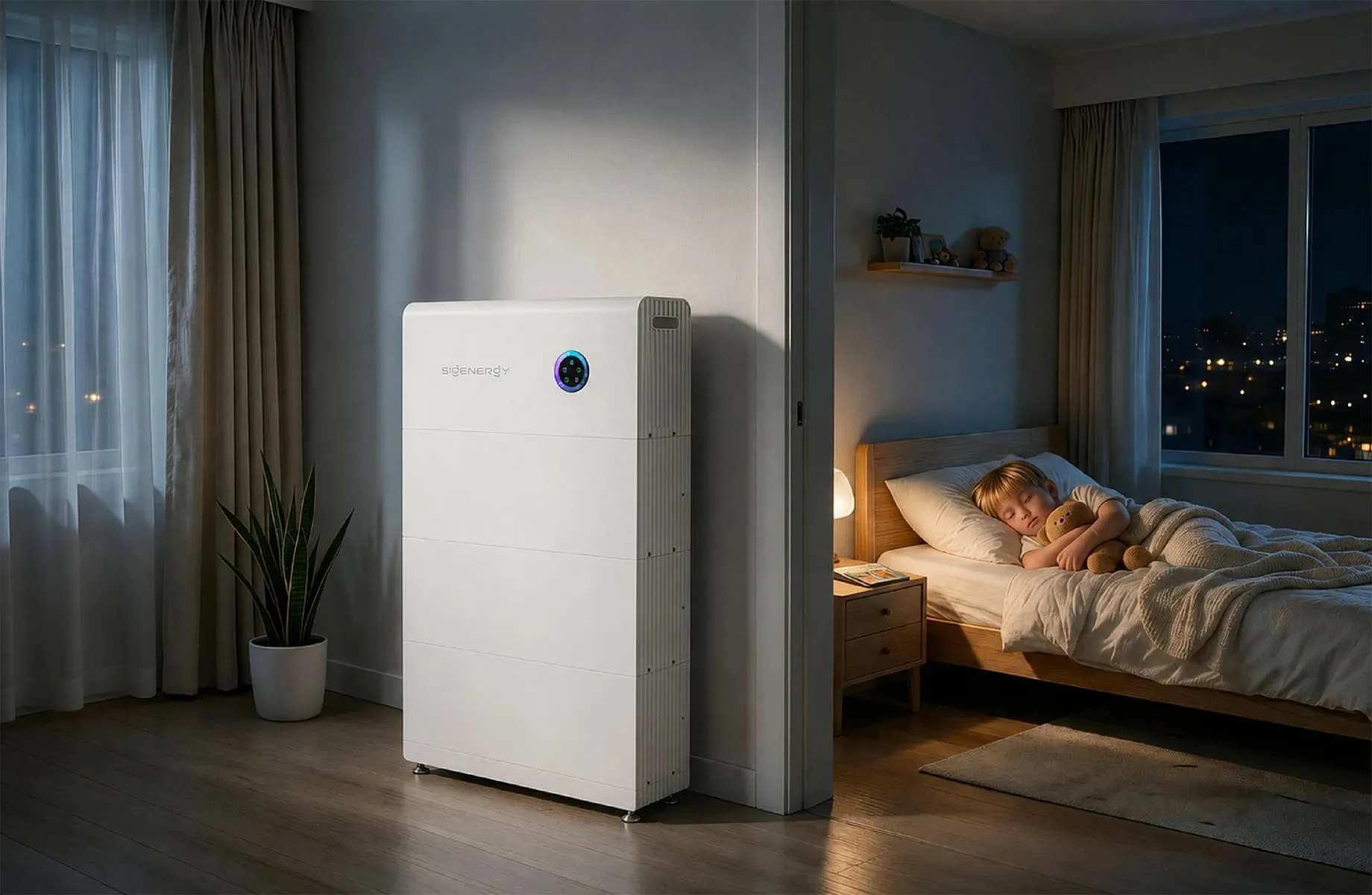
A white SigenStor Neo stack standing in a bedroom at night beside a sleeping child

Build a stack

How big a Neo?

Pick a module size and stack them up. The figures are Sigenergy’s own, from its datasheets, installer manual and European warranty, and the drawing is to scale. The right size for your house comes from your bills, and that’s our job at survey.

Sources: Neo battery datasheet, Neo controller datasheet, Sigenergy storage warranty (Europe), read 10 November 2026.

Module size
Battery modules
2
Mounting

Floor standing takes up to 6 modules.

Usable energy
11.68 kWh
Total capacity
12.04 kWh
Warranted throughput
40.88 MWh
Stack height
1,000 mm
Width × depth
800 × 235 mm
Weight
under 137 kg + base

Every Neo stack, even a single module, clears the 5 kWh minimum for the €600 SEAI battery grant. Throughput is the minimum energy Sigenergy warrants the stack to deliver; the warranty runs for 10 years or until that throughput is reached, whichever comes first. Height includes Sigenergy’s 50 mm base, and on the wall its 200 mm bracket. Weight is the single-phase controller plus modules; Sigenergy gives no weight for the base or bracket. Sigenergy asks for 600 mm clear above, 300 mm each side and 500 mm in front. The three-phase controller is 240 mm deep and under 30 kg.

Drawn to scale against 1 m and 2 m marks from the floor. All dimensions, weights and spacings shown are estimates, for guidance only. Both module sizes share the same dimensions. The grey strip under the modules is Sigenergy’s 50 mm base. On the wall, a 200 mm bracket sits below it and the stack hangs at least 350 mm off the ground. Source: Sigenergy’s Neo installer manual, version 01.

What we fit

The whole Sigenergy range, under one roof

Batteries, inverters, microinverters, chargers and the app that runs them. Here’s each one and when we’d use it.

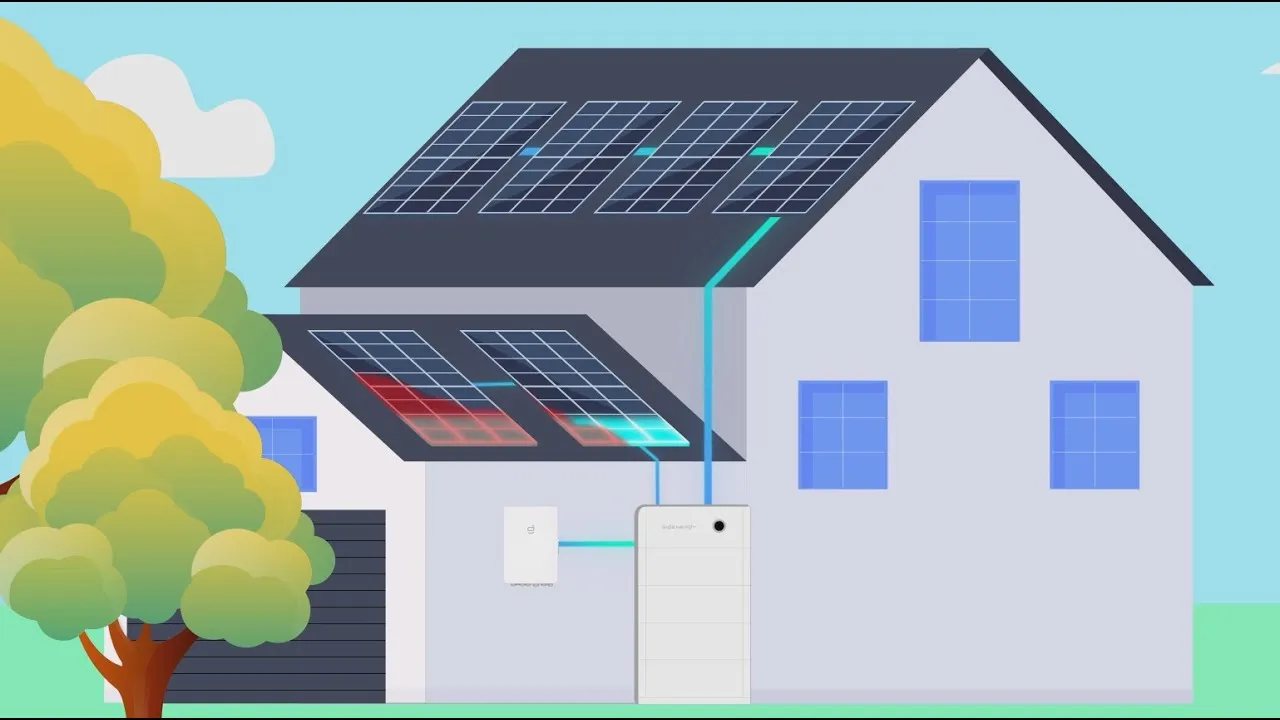
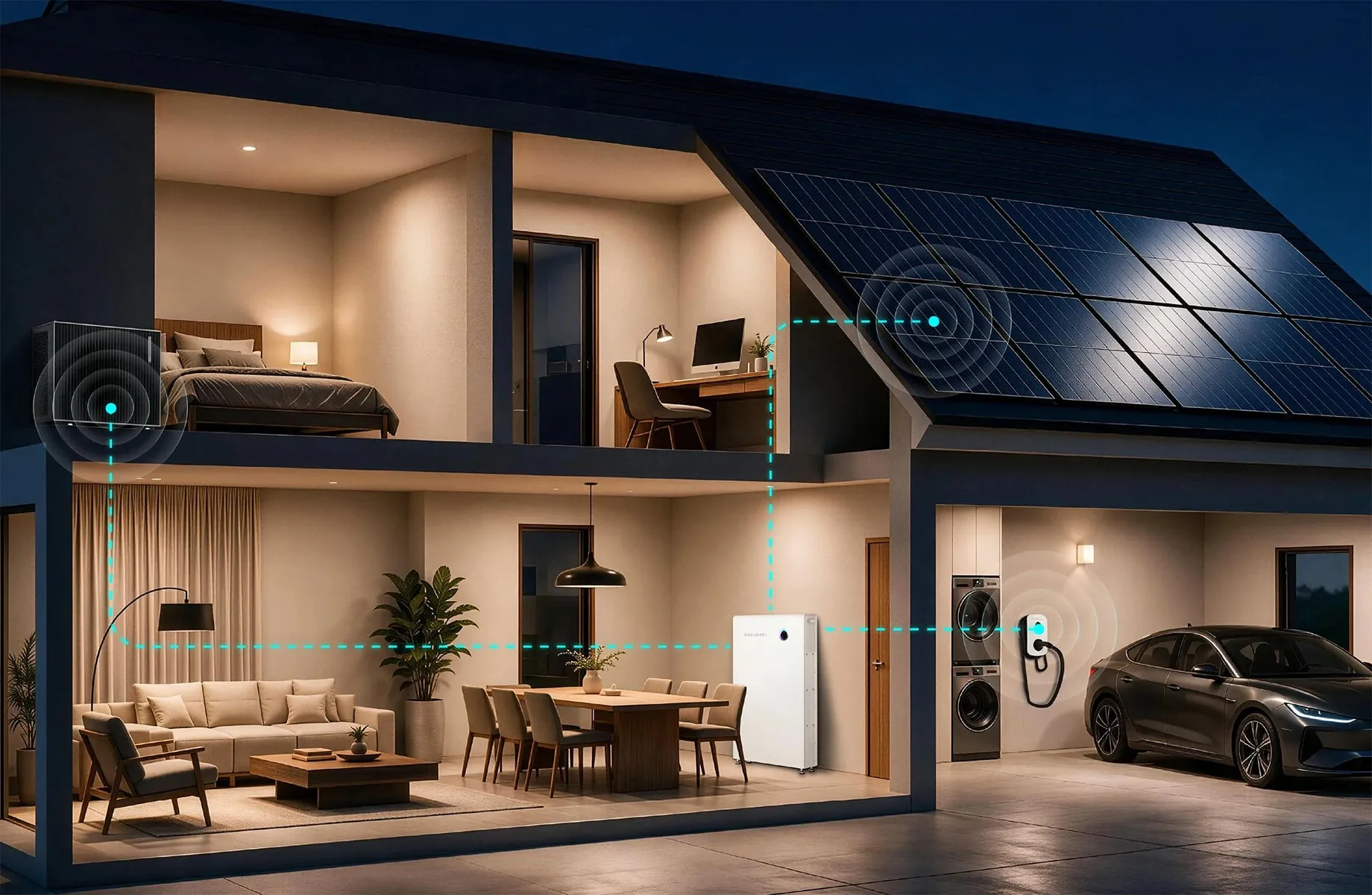
Cutaway illustration of a two-storey house: solar panels on the roof, a Sigenergy stack in the living room and a car charging in the garage, linked by dotted lines
Panels, battery, car and house on one system. Image: Sigenergy.
A white SigenStor Neo stack standing in a bedroom at night beside a sleeping child

New for 2027

SigenStor Neo

The newest all-in-one: inverter, battery, energy management and a backup module in one stack, with a Smart Port for a heat pump, EV charger, generator or an existing solar system.

Controller sizes
2.5 – 12 kW single phase, 3 – 15 kW three phase
Battery modules
6.02 or 7.52 kWh, 1 to 6 per controller
Footprint
800 mm wide, 235 mm deep
Mounting
Floor (up to 6 modules) or wall (up to 3)

When we use it: Our pick for most homes putting in solar and a battery together, once it reaches Ireland in 2027.

Sigenergy’s page for SigenStor Neo
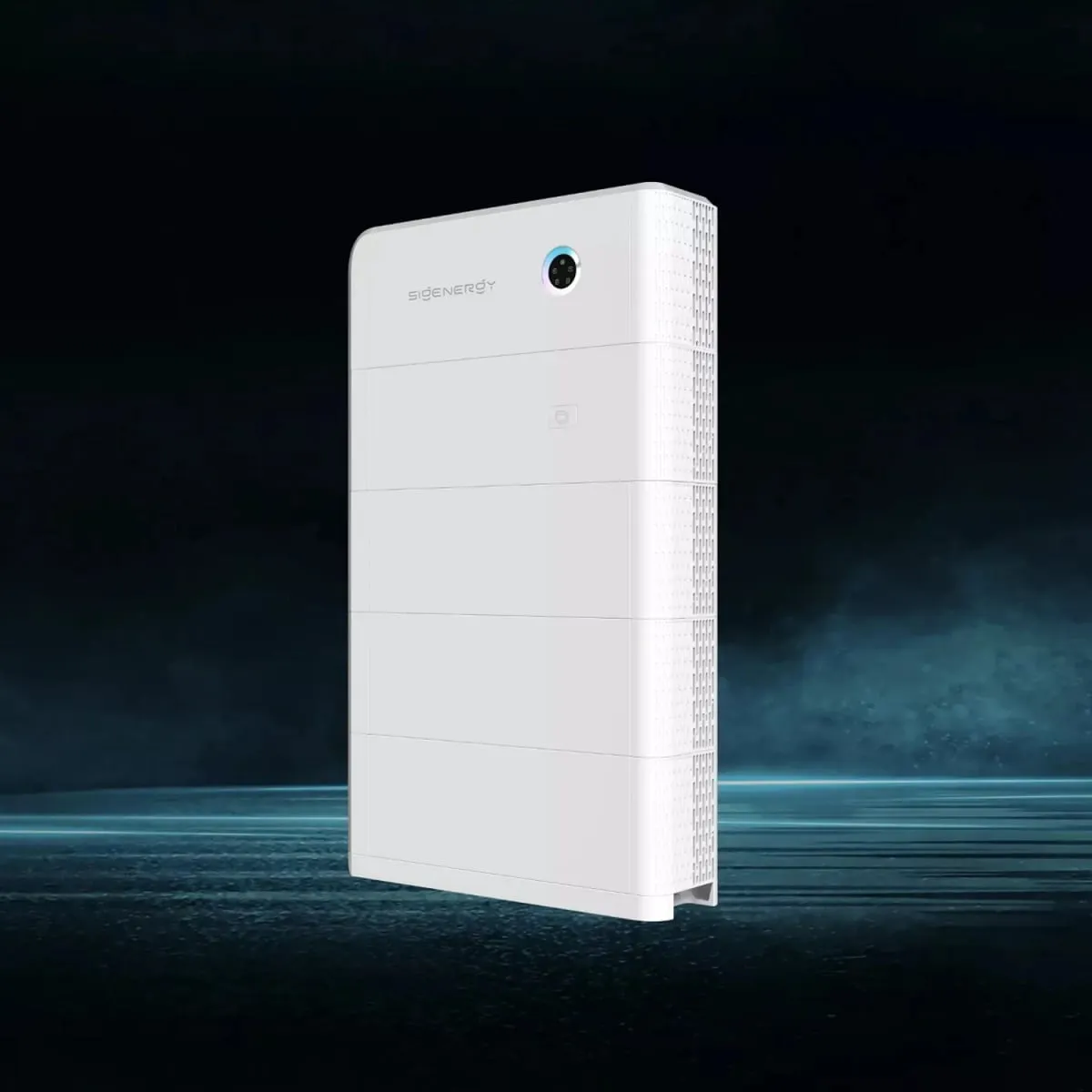
A white SigenStor stack, lit from below against a dark background

The original 5-in-1

SigenStor

Solar inverter, battery, battery converter, energy management and an optional DC fast-charge module for the car, in one stack.

Controller sizes
3 – 12 kW single phase, 5 – 30 kW three phase
Battery modules
6.02 or 9.04 kWh, 1 to 6 per controller
EV DC module
12.5 or 25 kW, CCS2
Weather rating
IP66

When we use it: Larger homes, three-phase supplies, and anyone who wants DC charging from the battery.

Sigenergy’s page for SigenStor
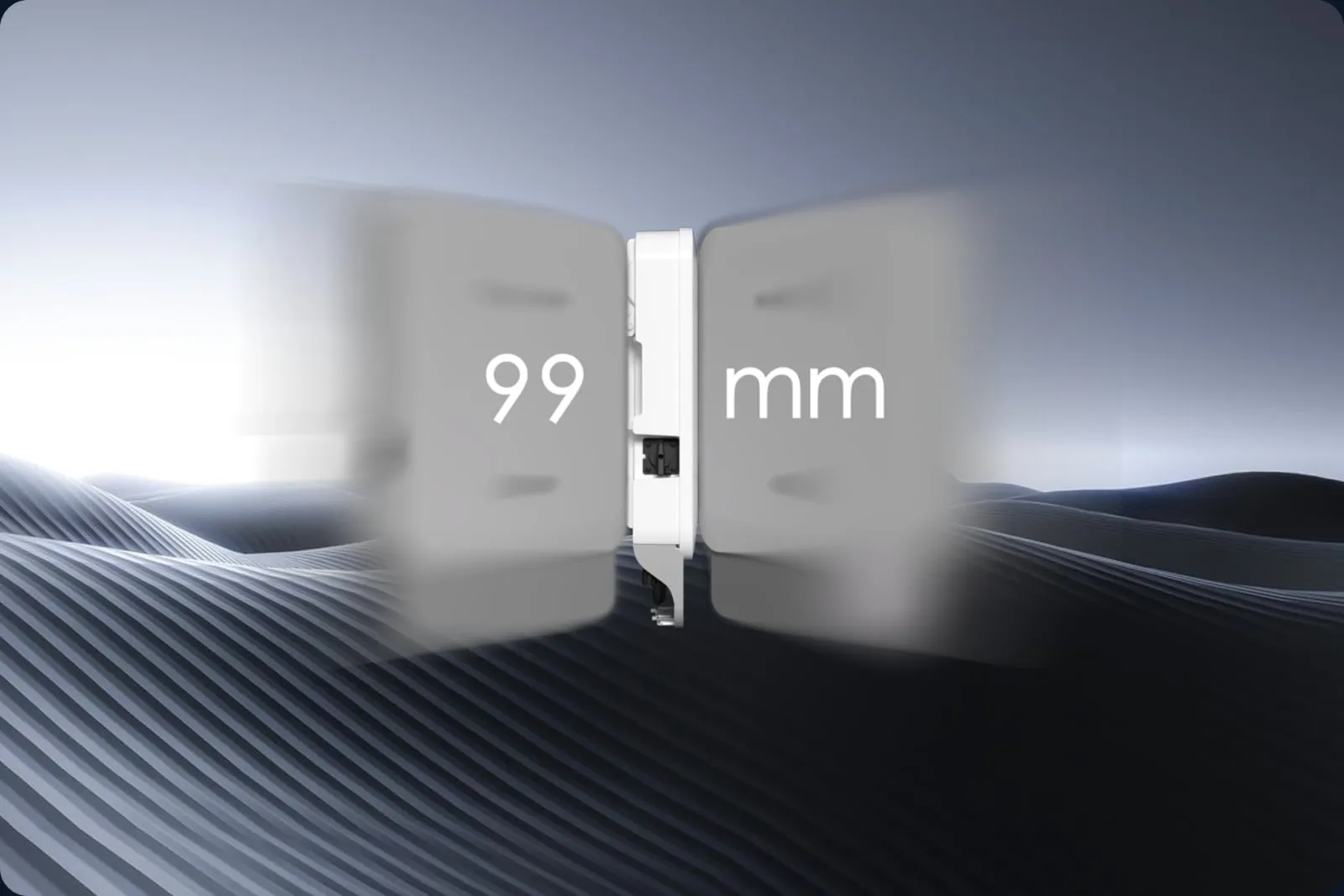
A Sigen Hybrid Inverter seen side-on to show its 99 mm depth

Solar now, battery later

Sigen Hybrid Inverter

A slim, quiet hybrid inverter that runs panels today and takes a Sigen battery whenever you are ready.

Sizes
2 – 6 kW single phase, 3 – 12 kW three phase
Max efficiency
98.6% single phase, up to 99.0% three phase
Size and noise
99 mm deep, 25 dB or less (single phase)
Weather rating
IP66

When we use it: Solar-only installs where a battery is likely later, and cost-sensitive projects.

Sigenergy’s page for Sigen Hybrid Inverter
Aerial view of a house with rooftop solar panels on green fields above the sea

Microinverters

SigenMicro

A small inverter behind each panel or pair of panels, so one shaded or dirty panel does not drag the rest down.

Models
400, 500, 800 and 1000 W
Max efficiency
97.5%
Weather rating
IP67
Safety
0 V rapid shutdown

When we use it: Roofs with shading, panels facing several ways, and small arrays on sheds and extensions.

Sigenergy’s page for SigenMicro
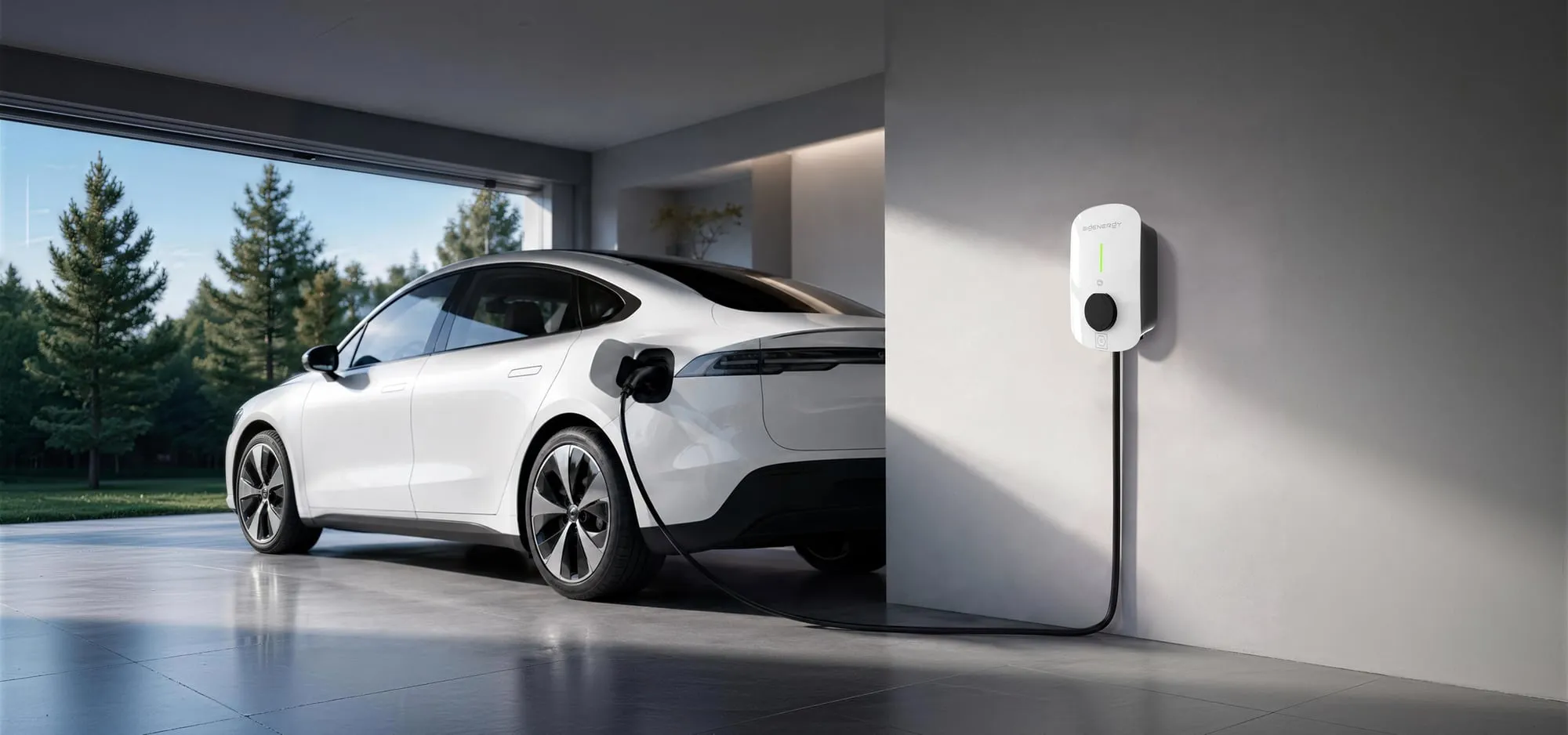
A white car charging from a wall-mounted Sigen EV AC Charger in a bright garage

Home charge point

Sigen EV AC Charger

A wall charger that follows your solar surplus and your tariff, managed from the same app as the rest of the system.

Power
7, 11 or 22 kW
Connection
Type 2 cable or socket
Rating
IP65, IK10
Smarts
Dynamic load management

When we use it: Most commercial and domestic situations.

Sigenergy’s page for Sigen EV AC Charger
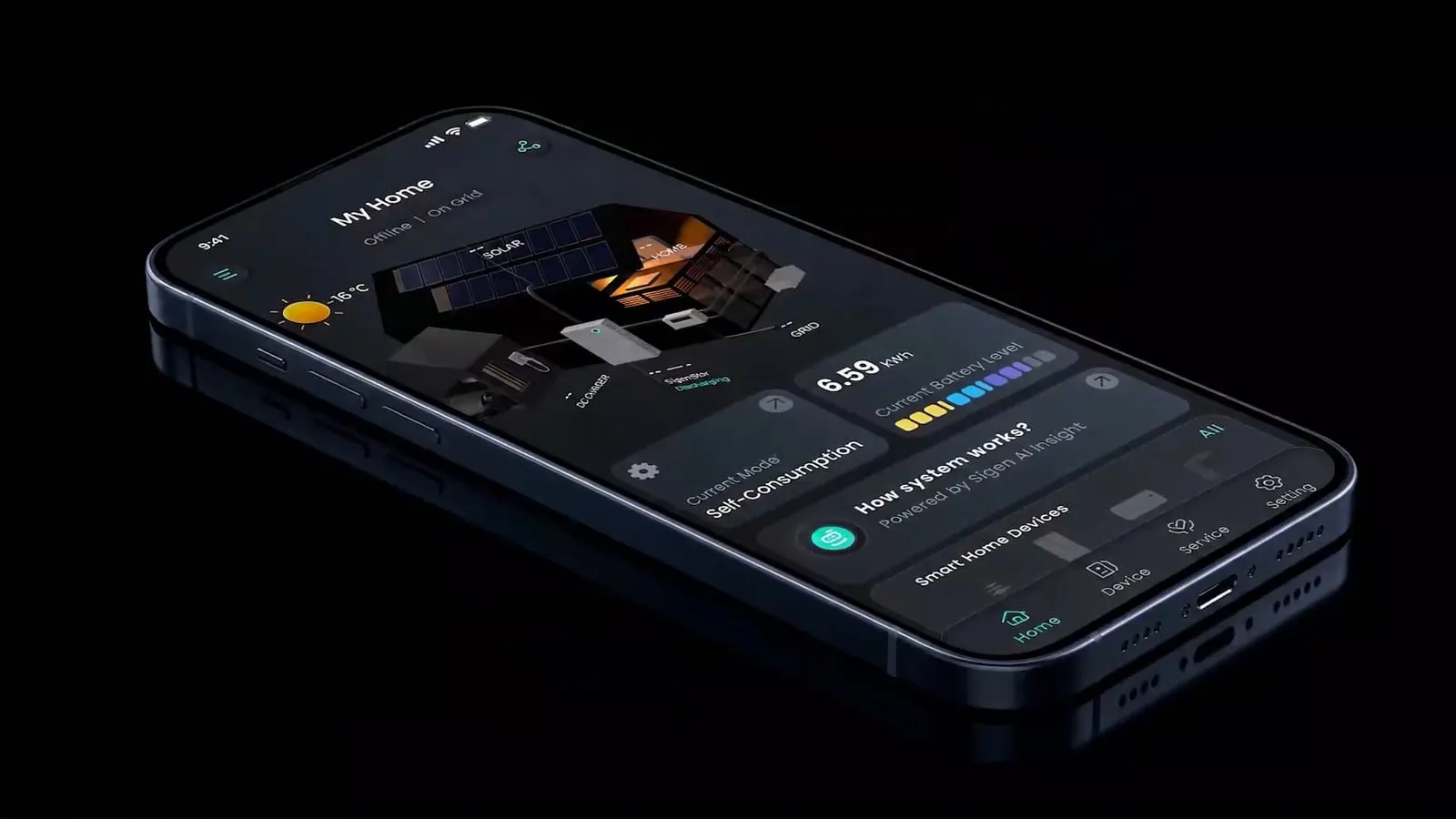
A phone showing the mySigen app’s home screen with live energy flows

Sigen AI

mySigen app

Every part of the system in one app. Its AI agent takes a goal, like “cheapest bills”, and sets the battery, charger and tariff schedule to match.

Version
mySigen App 4.0
AI
SigenAgent, tariff-aware AI Mode

When we use it: Every Sigenergy system we fit. We set it up with you at handover.

Sigenergy’s page for mySigen app

Figures from Sigenergy’s product pages and datasheets, read 10 November 2026. Product images: Sigenergy.

Car and house together

Charge the car from your own roof

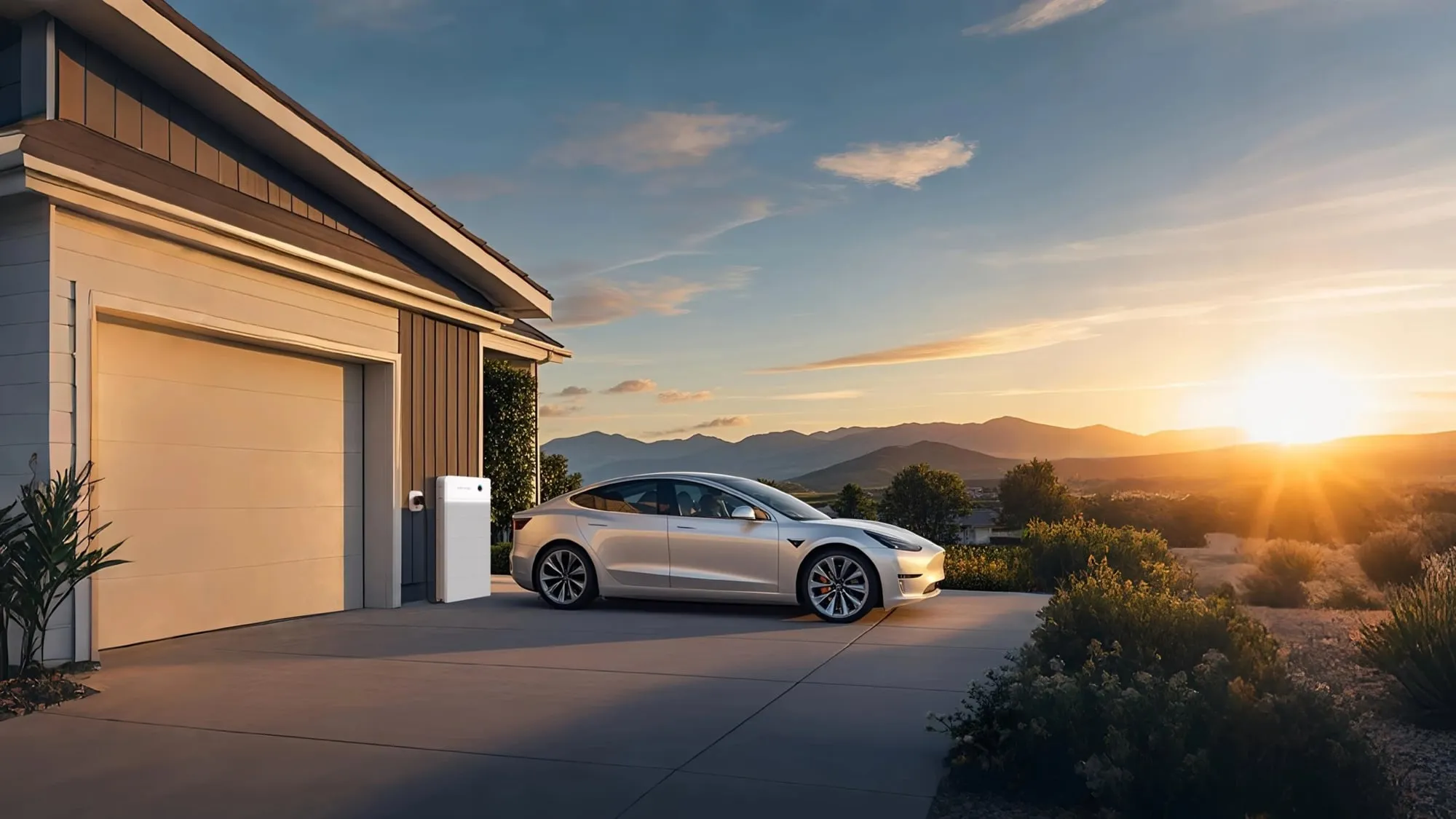
A car is the biggest load most homes have, and it only needs to be full by morning. A Sigen charger takes what the panels make during the day and the cheapest night rate after dark, and the app balances it against the battery so neither runs the other flat.

SigenStor can also take a DC charging module of 12.5 or 25 kW. It is V2X-ready, so a compatible car can one day power the house, though that will require special grid connection arrangements and additional ESB Networks approvals.

EV charging with Lumen

How Lumen does it

The hardware is only as good as the installation

Sigenergy makes the hardware. Sizing it, installing it to the highest standard, getting it grant-aided and looking after it for years is our job.

  1. 1

    We read your bills first

    Send a recent bill or your smart-meter data. We size the battery to your evenings and nights, not to the biggest stack that fits in the garage.

  2. 2

    We choose the optimal Sigenergy components for your system

    SigenStor or Neo, single or three phase, string inverter or SigenMicro, how many battery modules, and where they go. You get the reasons in writing.

  3. 3

    We handle SEAI and ESB

    We guide you through the SEAI grant (up to €2,400 for panels and a battery) and notify ESB Networks of the connection. Nothing goes on the wall until the grant offer is in.

  4. 4

    We install, commission and hand over

    Registered electricians fit and test it. Before we leave, the mySigen app is on your phone and set up for your tariff, and we show you how it works.

  5. 5

    We stay on it

    Firmware, settings when you change tariff, more battery modules when you need them, and a call to us when something looks wrong. We are in Athlone, not overseas.

€2,400

SEAI grant for a home: €1,800 for panels plus €600 for a battery of 5 kWh or more.

SEAI battery grant

0% VAT

0% VAT applies when the same company supplies and installs solar panels on a private home, and a battery fitted under the same contract is zero-rated too. It has applied since 1 May 2023, and Budget 2027 left it unchanged.

NC6

The grant and the grid connection are two different processes. Your installer notifies ESB Networks using the NC6 form (microgeneration, up to 6 kVA single-phase / 11 kVA three-phase) or NC7 (mini-generation, above that and up to 17 kVA single-phase / 50 kVA three-phase). Larger systems go through ESB’s small-scale generation application. We submit that notification before installation, and it must be approved before we install.

Filmed in Ireland

An Irish home on Sigenergy

Sigenergy filmed an Irish family living with solar and a SigenStor battery: what changed on the bills, how they use the app, and what they would tell a neighbour. It’s six minutes, and better than any brochure.

This isn’t one of our jobs. It’s Sigenergy’s film, and we show it because it’s honest about living with the system day to day.

SigenStories: an Irish homeAn Irish family on what solar and a Sigenergy battery changed at home.Film: Sigenergy

Watch

The Sigenergy film library

The films worth your time from Sigenergy’s YouTube channel, from the AI app to the safety design to what a battery can really run in a blackout. Nothing loads from YouTube until you press play.

mySigen App 4.0 and Sigen AISet a goal, and the app runs the battery, charger and tariff to hit it.Film: Sigenergy
SigenStor Neo: built for performanceA closer look at the Neo stack and its modules.Film: Sigenergy
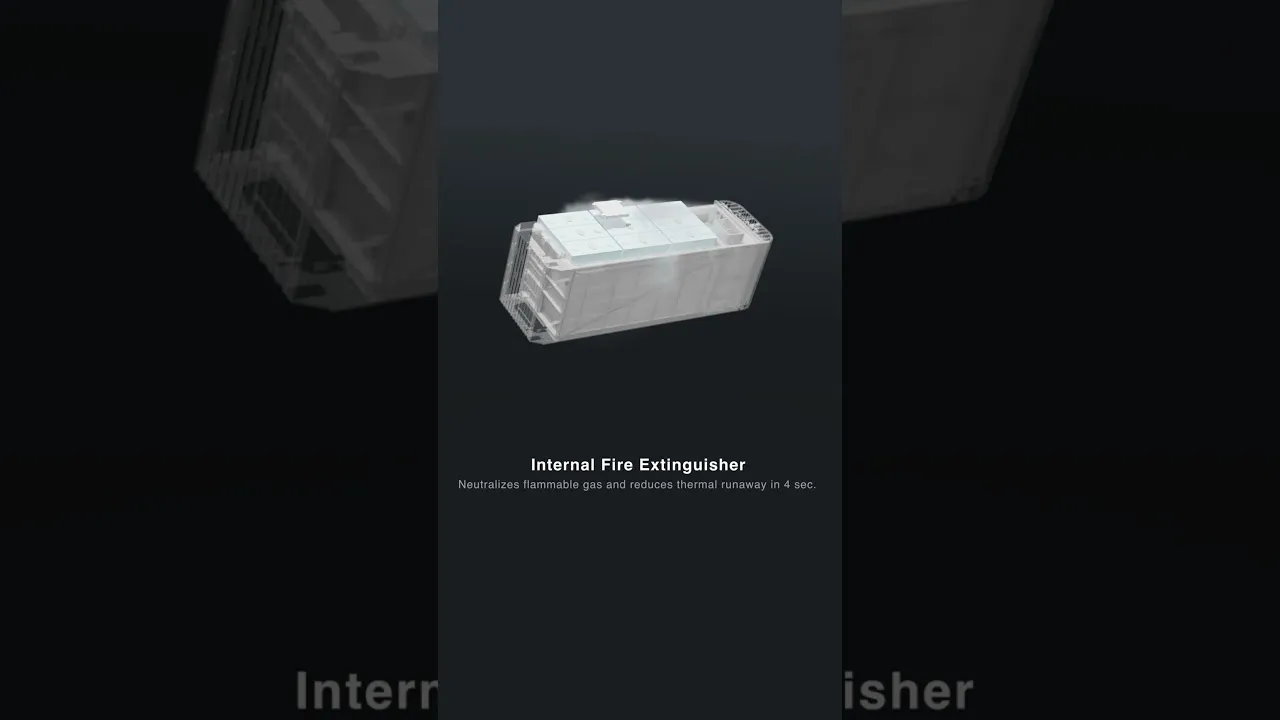
Five layers of battery protectionHow SigenStor guards each cell, module and the whole stack.Film: Sigenergy
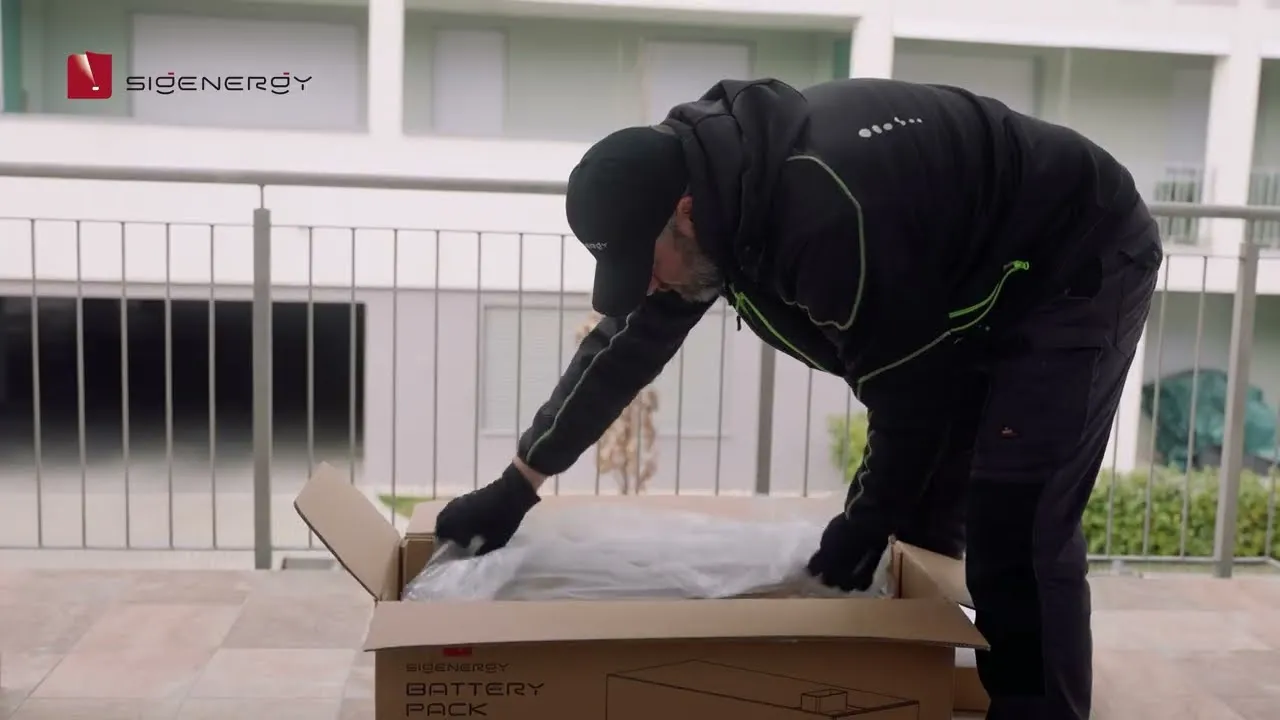
Adding battery modules in 15 minutesAn installer expands a SigenStor stack on site.Film: Sigenergy
SigenMicro, the partner for SigenStorMicroinverters that join the same system and app.Film: Sigenergy
V2X with SigenStorDC charging, and a car that can power the house, where the car supports it.Film: Sigenergy
The Gateway put to the testSigenergy cuts the grid to show the switch to backup.Film: Sigenergy
Can a home battery power everything in a blackout?An honest look at what backup can and cannot run.Film: Sigenergy
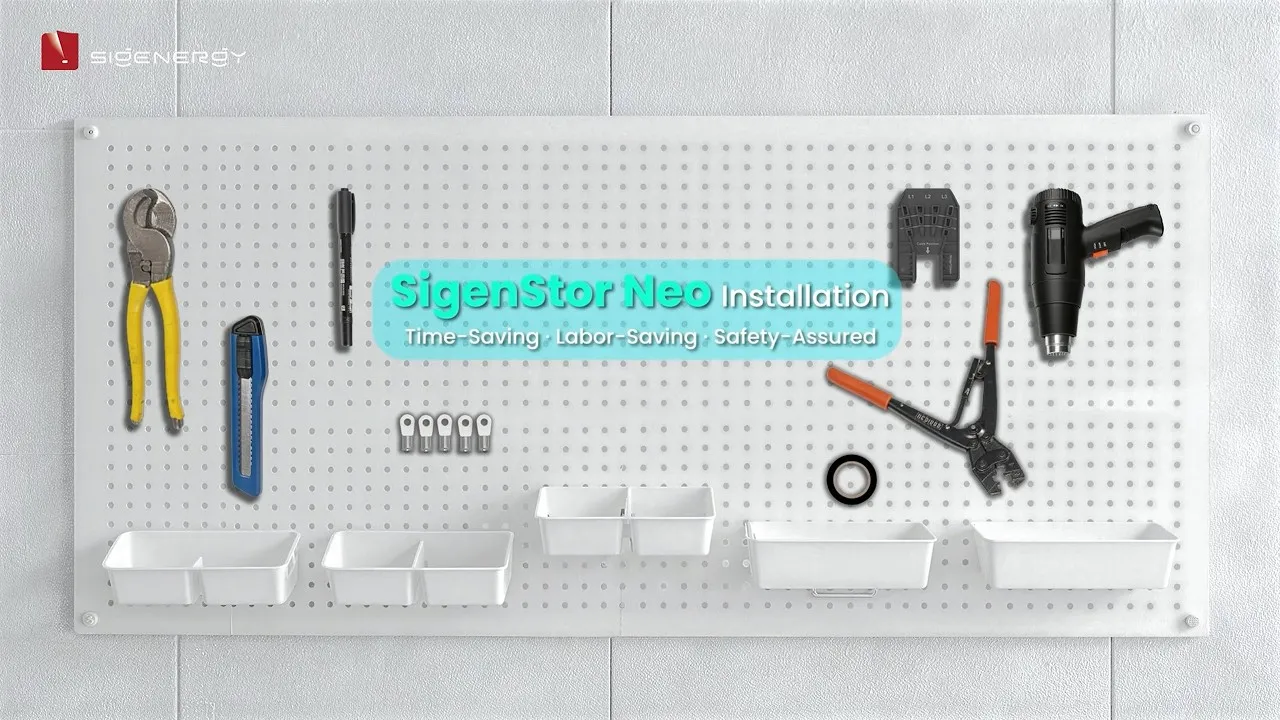
SigenStor installation, single phaseThe full install, start to finish, for the technically curious.Film: Sigenergy

The small print, in large print

What we tell every Sigenergy customer

Other installers leave this out. We’d rather you heard it from us before you sign.

It needs to stay online

Sigenergy’s European warranty expects the system to be connected. After 90 days offline it drops into a safe mode, and more than a year offline in total cuts the battery warranty to 5 years. We check your Wi-Fi reaches, and fit the 4G module where it doesn’t.

Batteries fade, slowly

Sigenergy warrants 60% of the usable energy at 10 years, or a minimum amount of energy through the battery, whichever comes first. That’s typical of the industry, and it’s why we size for what you need now with room to add a module later.

Backup is a separate job

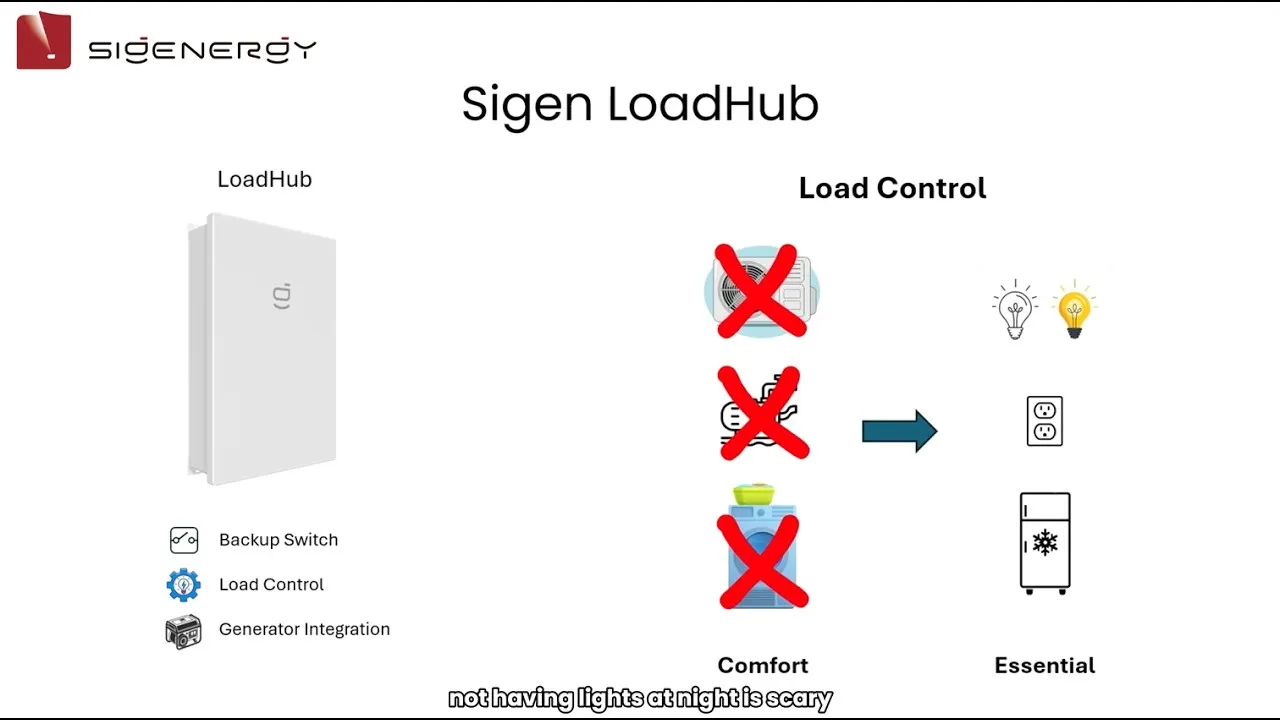
The Neo has a backup module built in, and SigenStor works with Sigenergy’s Gateway, so either can keep chosen circuits running in a power cut. Wiring that up is extra design and safety work and is not part of a standard install. If you want it, raise it at survey and it will be priced on its own.

Car-to-house: V2X-ready

SigenStor’s DC charging module is V2X-ready: built to let a compatible car power the house or feed the grid. Using it will require special grid connection arrangements and additional ESB Networks approvals, as well as a car that supports it. Charging the car from solar and night rates works today with any EV.

Sigenergy warranty terms (Europe)

Sigenergy manufacturer warranty by product
ProductManufacturer warranty
SigenStor Neo controller and batteries10 years
SigenStor controller and batteries10 years
Sigen Hybrid Inverter10 years
SigenMicro15 years
Sigen Energy Gateway5 years

From Sigenergy’s storage and inverter warranty documents for Europe, read 10 November 2026. Our own workmanship cover is set out on your quotation.

Sigenergy

Common questions

The things people ask us most about Sigenergy.

Is Lumen Solar a Sigenergy installer?

Yes. We design, install and commission Sigenergy systems for homes, farms and businesses: SigenStor, the Sigen Hybrid Inverter, SigenMicro microinverters, Sigen EV chargers and SigenStack for commercial sites, with the SigenStor Neo to follow in 2027. We are an SEAI-registered solar PV company and a Safe Electric registered electrical contractor, based in Athlone.

What is the difference between SigenStor Neo and SigenStor?

Both are all-in-one stacks of inverter, battery and energy management. Neo is the newer one, expected in Ireland in 2027: it builds in a backup module and a Smart Port for a heat pump, EV charger, generator or existing solar, and takes 6.02 or 7.52 kWh battery modules (sold as BAT 6.0 and BAT 8.0). The original SigenStor goes bigger on three-phase supplies (up to 30 kW) and is the one that takes the DC fast-charge module for a car. We recommend one or the other after the survey.

Does a Sigenergy battery qualify for the SEAI battery grant?

The SEAI battery grant is a flat €600 for a battery of 5 kWh or more, fitted by an SEAI-registered company after the grant offer comes through. A single SigenStor or Neo battery module is already above 5 kWh. A bigger battery does not get a bigger grant. With the panel grant, a home can get up to €2,400.

Can I add more batteries later?

Yes. Both SigenStor and SigenStor Neo take one to six battery modules on a controller, and modules can be added later. Sigenergy says the Neo’s built-in optimiser lets newer and older modules work together. Adding capacity after the grant has been paid does not earn a second battery grant.

Does a Sigenergy system need the internet?

Yes, and it matters for the warranty. Sigenergy’s European warranty expects the system to stay online. After more than 90 days offline it drops into a safe operating mode, and if it is offline for more than a year in total the battery warranty falls from 10 to 5 years. A 4G communication module is available where Wi-Fi does not reach.

Can I add a Sigenergy battery to solar panels I already have?

Often, yes. The Neo’s Smart Port is designed to take an existing solar system, and the Sigen Hybrid Inverter can replace an old inverter and take a battery at the same time. Which route suits depends on what is on your roof now, so we look at it before quoting.

Can my electric car power the house?

SigenStor’s DC charging module is V2X-ready: it is built to let a car feed the house or the grid. Using it will require special grid connection arrangements and additional ESB Networks approvals, and a car that supports it. Charging the car from solar and cheap night rates works today with any EV.

How much does a Sigenergy system cost?

It depends on the controller size, how many battery modules, whether you need panels, and your roof and wiring. We do not publish a price list, because a figure that is not about your house is not much use. We send a written, itemised quote after the free survey.

Sigenergy with Lumen

See what Sigenergy would do for your home

Send us a recent bill. We’ll come out, look at the roof and the fuse board, and send an itemised Sigenergy quote with the grant worked in. Or call us on (090) 640 0180.

Get a Sigenergy quoteCall (090) 640 0180

Mon–Fri, 9am–5pm · Free site survey