

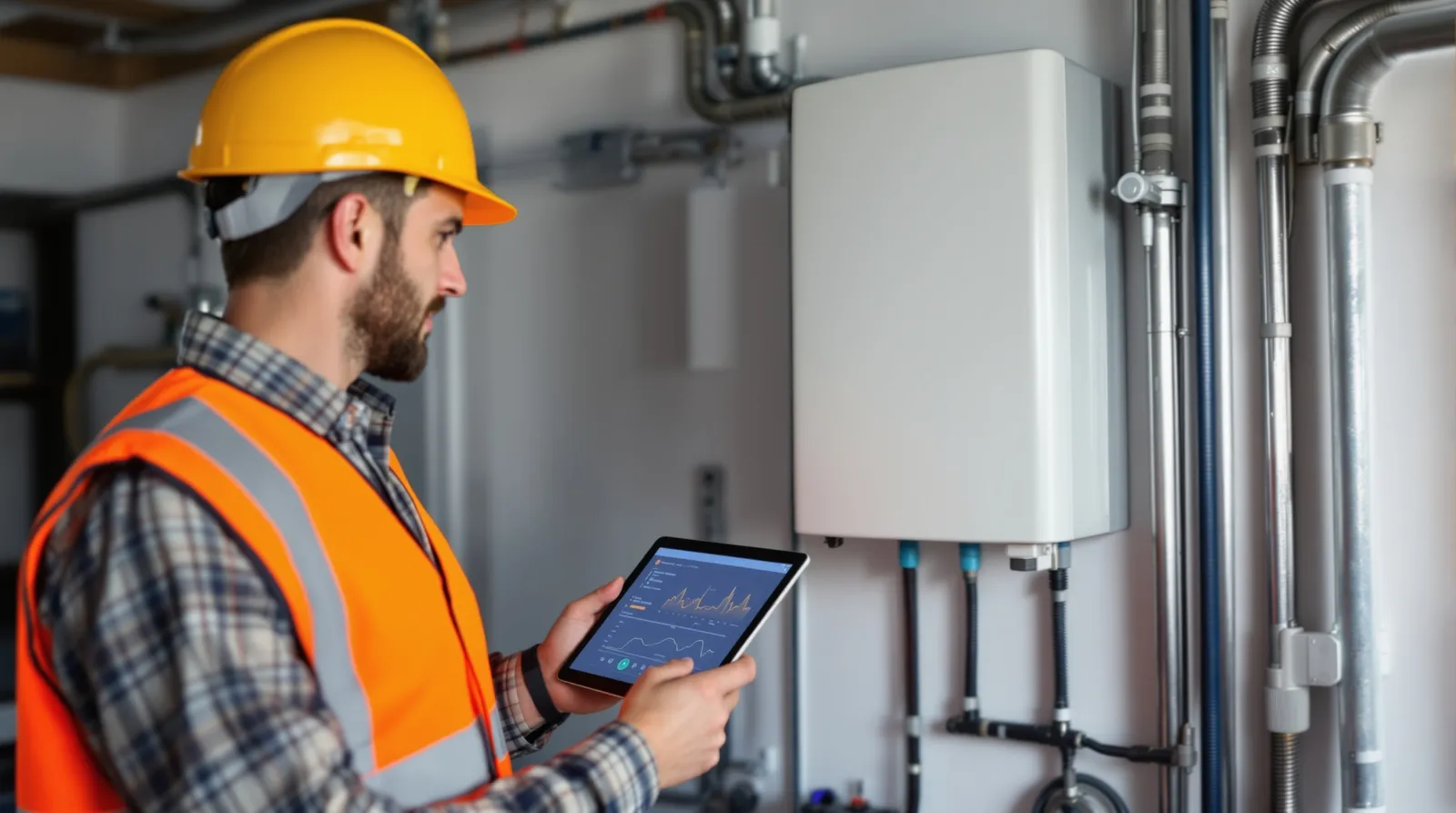
The process
What happens, step by step
Solar jobs usually go wrong in the same few places: grant steps done in the wrong order, grid lead times, and surveys that never happened. This is how we run a job so that doesn't happen to you.
- Free survey
- Grant guided
- Certified on completion
Accredited & registered Athlone · Installing solar since 2013 (13 years) · 1,000+ installations4.9 from 22 Google reviews
 SEAI Registered
 Safe Electric
 Solar Ireland Member
 Athlone Chamber
Eight stages
From first call to a working system
Timings vary with system size, scheme processing and grid lead times. The order of the stages stays the same, because doing things out of sequence loses grants and delays connections.
Contact us
Same day, usuallyYou call, email or send an enquiry online. We ask about the building, your bills and what you want solar to do for you, whether that’s cutting costs, charging a car or meeting a reporting obligation.
- Bring a recent electricity bill if you have one
- Tell us if you have or plan an EV or heat pump
Free design and proposal
Within a few daysUsing our detailed solar design software, we model the system that suits you best, price it and send you your solar proposal. Take your time to look it over and come back to us with any questions. Any yield or savings projection comes with the assumptions written down.
- A system sized to your needs and your bills
- Expected generation for your roof
- Your grant entitlement, calculated in full
Free site survey and final proposal
Typically 1–2 hours on siteWhen you’re ready, we visit you, survey the site and talk through the proposal, changing anything you like. Then, based on the site and any other work needed, we send you the final proposal, with the equipment named.
- Roof structure, covering and condition
- Shading assessment, including low winter sun
- Electrical supply, board capacity and earthing
- Named panels, inverter, mounting and battery in the quote
- What is included and what would be an extra
Grant application
Timing set by the schemeFor the home grant, you apply to SEAI and receive the offer letter. It’s a short online application. We walk you through it and supply every detail it asks for. No work starts before that letter is issued, because starting early is the most common way a valid claim is lost.
- Eligibility confirmed before you apply
- We supply every detail the application asks for
- We hold installation until the offer is in place
Grid application
Runs in parallelDepending on its size, a generating system needs either an NC6 notification to ESB Networks or their agreement. We submit it before installation, and it must be approved before we install. On larger commercial systems this can be the longest wait in the project, so we start it early.
- Notification or full application depending on system size
- Export limits confirmed before the design is finalised
- Approved by ESB Networks before we install
Installation
Usually one day for a home, phased for commercialScaffolding or other access goes up, the mounting and panels are fitted, and a registered electrical contractor does the electrical work. Commercial work is phased around your operations.
- Safe access appropriate to the building
- Mounting specified for your roof type and exposure
- All electrical work certified on completion
- Site left clean and anything disturbed made good
Commissioning and handover
Final day on siteWe test, commission and register the system, set up monitoring and show you how to read it, so you can tell whether it’s working without ringing us.
- Full electrical testing and certification
- Monitoring configured on your phone or desktop
- Warranties and documentation collected in one place
- Completion documentation supplied for your grant claim
Aftercare
For the life of the systemSolar needs little maintenance, but it does need some. We’re available for servicing, fault-finding and repairs, and for commercial and farm systems we recommend a planned maintenance agreement.
- Inspection, cleaning and electrical testing
- Fault diagnosis and repair
- Monitoring alerts on underperformance
Good to know
Questions about the process
How long does an installation take?
Most home installations take one day. More complicated jobs can take two, and bad weather can push a day back. Commercial and farm projects run longer and are phased around your operations. We give you a specific timeline in your quotation.
How do I get a quote?
Call us on the number at the top of this page or send an enquiry through the site. We will talk through what you need, arrange a free site survey, and give you a written quotation with the system design, the equipment and the grant position set out.
How do I get paid for electricity I export?
Export payments come from your electricity supplier under the Clean Export Guarantee, not from the government. Before we install your system we submit the NC6 (or NC7) form to ESB Networks, and it must be approved before we install; that is what registers you as a microgenerator. Once the system is running, your supplier then applies its export rate to your account. With a smart meter your actual export is measured; rates vary by supplier, so it is worth comparing. The first €400 a year of export income is tax-free until the end of 2028. Budget 2027 announced an increase to €600 a year, which takes effect once it is legislated.
Does solar affect my BER or my house insurance?
Solar PV normally improves a BER, because it reduces the calculated primary energy use of the home, and a post-works BER assessment is part of the SEAI grant process anyway. On insurance, tell your insurer you have added solar, as with any alteration to the building. Cover for panels is routine.
Do solar panels actually work in the Irish climate?
Yes. Solar PV responds to daylight, not heat or direct sunshine, so panels generate on bright overcast days as well as clear ones. Output is strongly seasonal in Ireland, with summer generation far higher than winter, which is why we size a system around your year-round consumption pattern rather than a headline figure.
Do I need planning permission for solar panels?
Usually not. Rooftop solar on houses is exempt from planning permission, with no area limit, since October 2022. That applies anywhere in the country, including inside the 43 Solar Safeguarding Zones around airports and aerodromes, which cap other kinds of building but not houses. The exceptions for a house are protected structures and Architectural Conservation Areas. Rooftop solar on industrial, commercial and agricultural buildings is exempt from planning permission with no area cap outside the 43 Solar Safeguarding Zones near airports and aerodromes. Inside a zone, the exemption for these buildings stops at 300m² of panels (counting anything already installed), so a larger array needs permission. Ground-mounted arrays and protected structures have separate rules, and we confirm the position for every site as part of our survey.
Get started
Start at stage one
A phone call and a look at a recent bill will tell us whether solar is worth doing on your property.